


The oldest professions 5
MAIL CARRIER
The author did not make a reservation, having included this respectable profession in number consigned to the past. Live functions of dear friend of the house - the mail carrier - are completely mechanized now. What a difference, when in certain time on the street the familiar figure in a uniform cap with a leather bag through a shoulder - incarnate communication between the far correspondent and the recipient of the long-awaited message appeared. Subsequently from time immemorial walking mail carrier was come to the rescue by the bicycle, and on a gate at everyone the individual box which is replaced with an obezdushenny tin multicell today hung.

COMMISSION AGENTS
This occupation in Kobrin was monopolized by several Jewish families. They took orders for performance of the diverse instructions connected with trips to the large cities and even the countries. For the purpose of saving of time and means wealthy clients addressed them for delivery of more rare goods, spare parts to mechanisms, luxury goods, rare drugs and so forth. Orders were carried out in strictly stipulated terms, honestly not to lose the client, and for firmly established commission charges. Commission agents did not refuse to carry out and the instructions connected with urgent delivery something from abroad, for example, from Vienna, Paris. In the mid-thirties, in connection with a sharp rise in price of post tariffs, our commission agents adjusted delivery of business correspondence in a row of the cities on lower quotations. This competition to mail forced the authorities to resort to repressive measures, however, not especially effective as conspiracy was perfect.
SIRS
Those far years Kobrin povt was that is called larded by noble nests, more precisely shlyakhetsky as the vast majority of landowners were Poles. They were fixed here from 16 century when the Polish queen Bona owning Kobrin district (the Italian by origin) generously allocated with estates mazovetsky shlyakhtichy. According to pre-war data, over 120 landowners possessed more than 100 hectares of the earth everyone. Only a small amount of manors owned many hundreds of hectares whereas considerably the most part of the ruined shlyakhta in general inherited 50-80, and even 10-20 hectares. Impoverished descendants of once prosperous childbirth which vital way significantly did not differ from country in a consolation could boast of lots of ancient royal diplomas. In real life they hardly managed to make ends meet. More far-sighted to "zemena" gradually sold the earth which under current laws could pass only into the Polish hands. If landowners as a class were liquidated in 1939, then their patrimonial estates in most cases disappeared in the years of occupation. Germans from a politsayama created in them strong points for fight against guerrillas. And after guerrilla "visits" there were smoking brands.
BAKERS
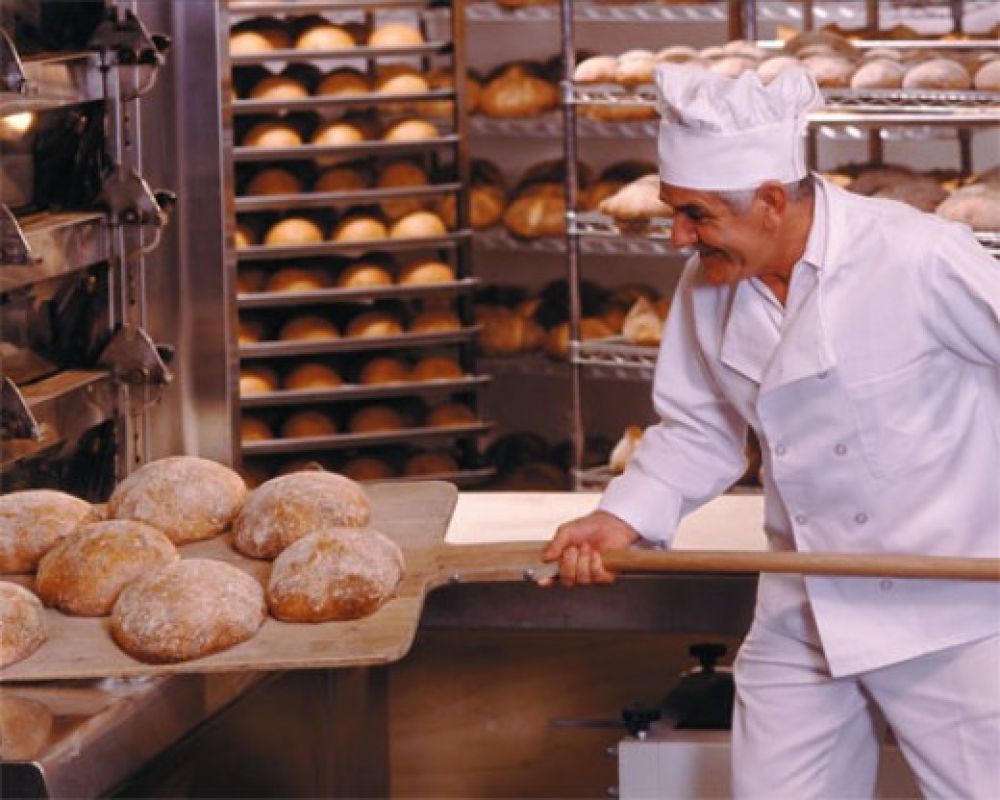
In spite of the fact that in Kobrin there were ten small bakeries, the considerable part of the population preferred to use bread of own pastries, besides not only hundreds of petty-bourgeois families, but also needy Jews. The benefit the Russian furnaces were almost in each house and were heated by firewood. Occupation it was hereditary - skill was transferred from mother to daughters. Irrespective of structure of a family in everyone there was own grain dezha (tub) of different volume in which in an interval between baking remained the slouch. Large loaves by weight in several kilograms were baked of rye flour of a rough grinding. Bread was stored one-two weeks. By antiquated traditions close neighbors after the next pastries regularly mutually exchanged fresh bread. Stale loaves if necessary razsvezhatsya skillfully. The mentioned layer of the population bought in bakeries only fine rye bread yes product bakeries.
PAROBKI
Barracks were invariable accessory of boondocks of the prosperous pansky estate a sad face, we have called chvorakam. Their size depended on families of the parobk occupied in this manor. In a chvoraka the hostel, usually one was allocated to a parobk, two rooms with kitchen are more rare. For personal cattle there were sheds. Care of cattle, as well as performance of all seasonal agricultural works was year-round occupation of parobk. Women were milkmaids and manually performed other works on an equal basis with men. Except a reward the land plots for a kitchen garden were allocated to parobka under the contract, the horse was provided for a number of the works, at preferential prices the fodder, grain, etc. was on sale. Many families worked for the sir for life. In parobk completely landless, partially land-poor peasants were employed.
A. Martynov
Martynov, And. The oldest professions of Kobrin district: history / A. Martynov//Kobrin-inform. – 2011. – April 28. – Page 6; Kobrynsk_ vesn_k. – 20 studzenya.
Navigation

Our partners
Communication with us
Help: +375(1642)22331
Accommodation: +375(1642)39371
Excursions: +375(29)2046305
Support: +375(29)8012472
Email: atlant_kobrin@tut.by
Email: admin@ikobrin.ru
Edition: to contact us
To advertisers


About our city
For tourists
Our projects: Tourist Kobrin | Intellectual Kobrin
All rights reserved © 2011-2015. All images are protected by their owners.
When copying materials the active reference to http://ikobrin.ru is obligatory.