


About Kobrin

Street of Zhukovsky
The street of Zhukovsky is called in honor of the Russian poet Zhukovsky Vasily Andreevich. It is interesting that nearby there are streets called in honor of Krylov, Dostoyevsky and Turgenev.
Vasily Andreevich Zhukovsky (1783-1852) is the Russian poet, the founder of romanticism in the Russian poetry, the translator, the critic, Alexander II's tutor.
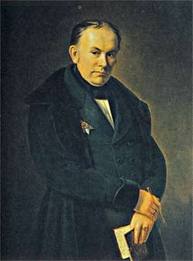 Was born on January 29 (on February 9), 1783 in the Tula province. The captivated Salkh's Turkish woman brought in 1770 by Afanasy Ivanovich Bunin's serfs after the Russian-Turkish war from under fortress Bender became mother of Zhukovsky. The child received the surname from the poor nobleman Andrey Ivanovich Zhukovsky living in a manor who at the request of Bunin became the godfather of the child and then adopted him. Before the birth of future poet Bunin's family was comprehended by a grief: from eleven people of children in a short space of time died six. Heart-broken Maria Grigoryevna Bunina decided to take the newborn in the family and to bring up him as native son. Adoption did not grant the right for transfer of the nobility, besides, according to the will from the father the son got nothing.
To receive the nobility of the child fictitiously enlisted on service in the Astrakhan Hussars; having been entitled the ensign which granted the right for the personal nobility, in 1789 6-year Zhukovsky was brought in the noble genealogical book of the Tula province and received the diploma on the noble advantage which allowed it to get an education in private board subsequently, then in the Tula national school.
In 1794 Zhukovsky continued the education in the Moscow noble university board. In 1802. Zhukovsky got acquainted with Karamzin, having been fond of sentimentalism. Zhukovsky was included into literature when in "the Bulletin of Europe" its was printed "A rural cemetery" — a free translation of the elegy of the English sentimentalist Gray. With 1805 — 1806 poetic force of Zhukovsky quickly increases, reaching the highest blossoming in 1808 — 1812. In 1808 Zhukovsky wrote the I mark "Lyudmila" and so in the Russian literature the new concept - romanticism appears.
Zhukovsky did not remain away from events of 1812. Enduring this period, difficult for the country, as a part of a militia, he creates the work "The Singer in a Camp of the Russian Soldiers" which right there in lists disperses on army. In 1815 the poet was included into the literary group "Arzamas" resisting to classical tradition. For the first time Zhukovsky married at the age of 58 years, having married in 1841 Elizabeth Evgrafovna Reytern, daughters of the old familiar painter E. R. Reyntern.
Spent the last 12 years of life in Germany, in a circle of the new family — at first in Düsseldorf, is later in Frankfurt am Main, nearly annually being going to visit Russia, but, on a disease state of the wife, without having managed to carry out this desire.
At the beginning of 1842. Zhukovsky started the translation of "Odyssey" which still was not surpassed. The first volume of "Odyssey" was published in the 1848, second - in 1849. Zhukovsky 12 (on April 24), 1852 in Baden-Baden died. His body was transported to Russia and is buried in St. Petersburg on a cemetery of Alexander Nevsky Lavra.
Additional information:
The following photos will help to make idea of the street:

Houses on st. Zhukovsky
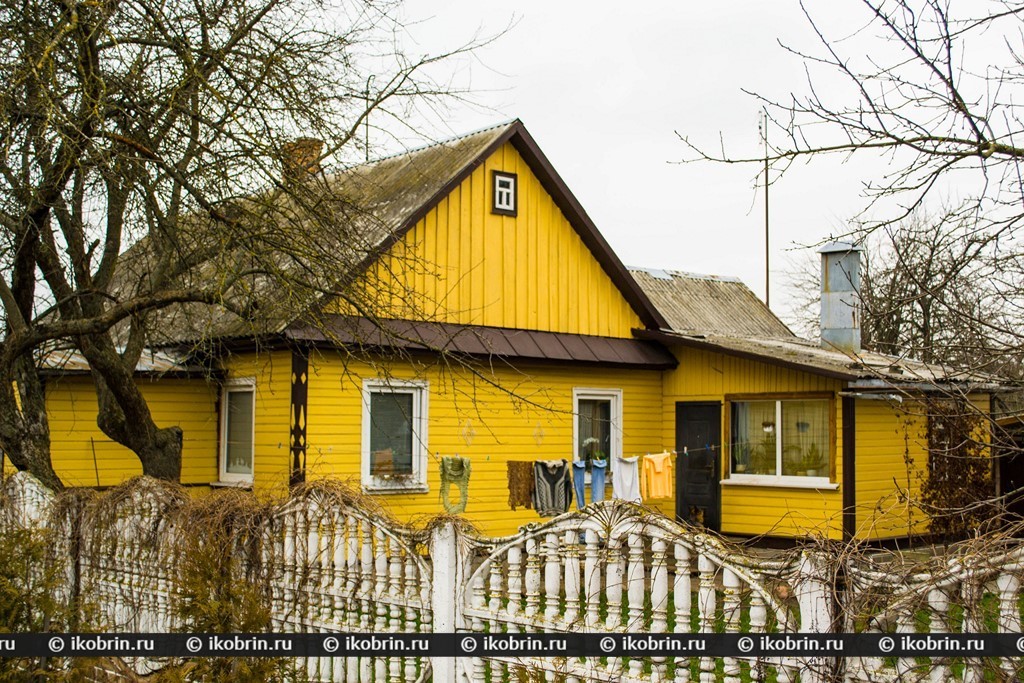
Houses on st. Zhukovsky
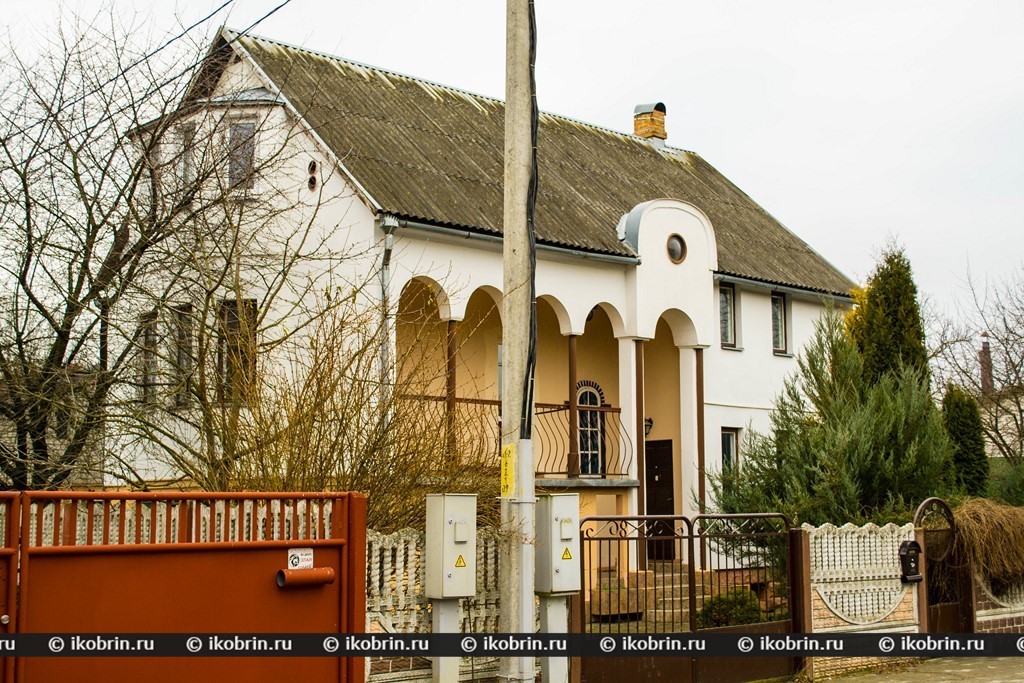
Houses on st. Zhukovsky
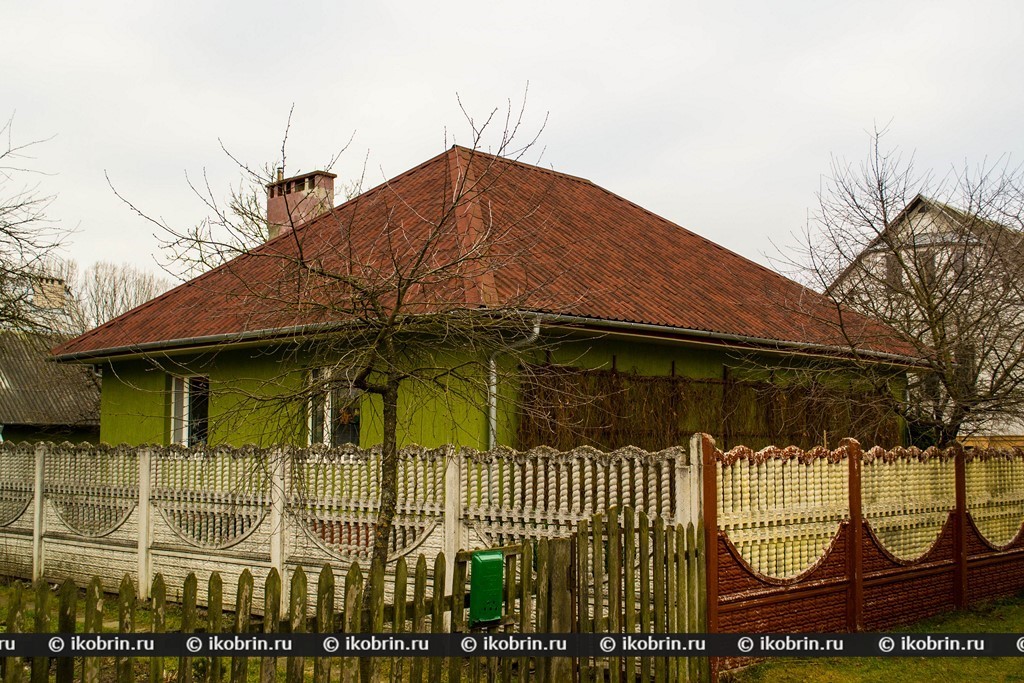
Houses on st. Zhukovsky
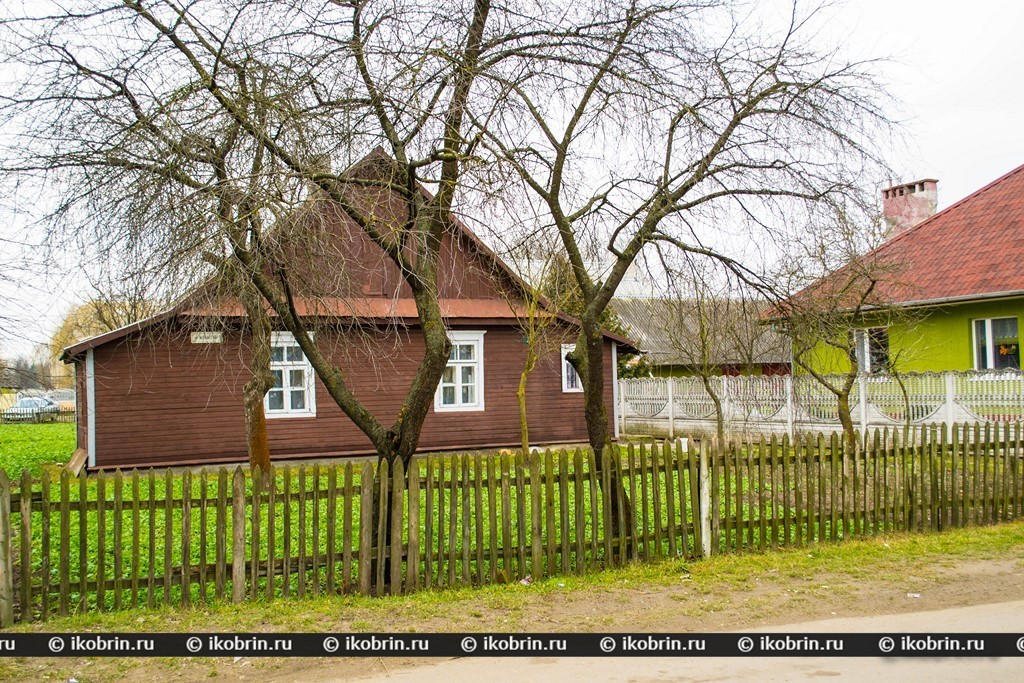
Houses on st. Zhukovsky

Arrangement on the card

Communication with us
Help: +375(1642)22331
Accommodation: +375(1642)39371
Excursions: +375(29)2046305
Support: +375(29)8012472
Email: atlant_kobrin@tut.by
Email: admin@ikobrin.ru
Edition: to contact us
To advertisers


About our city
For tourists
Our projects: Tourist Kobrin | Intellectual Kobrin
All rights reserved © 2011-2015. All images are protected by their owners.
When copying materials the active reference to http://ikobrin.ru is obligatory.